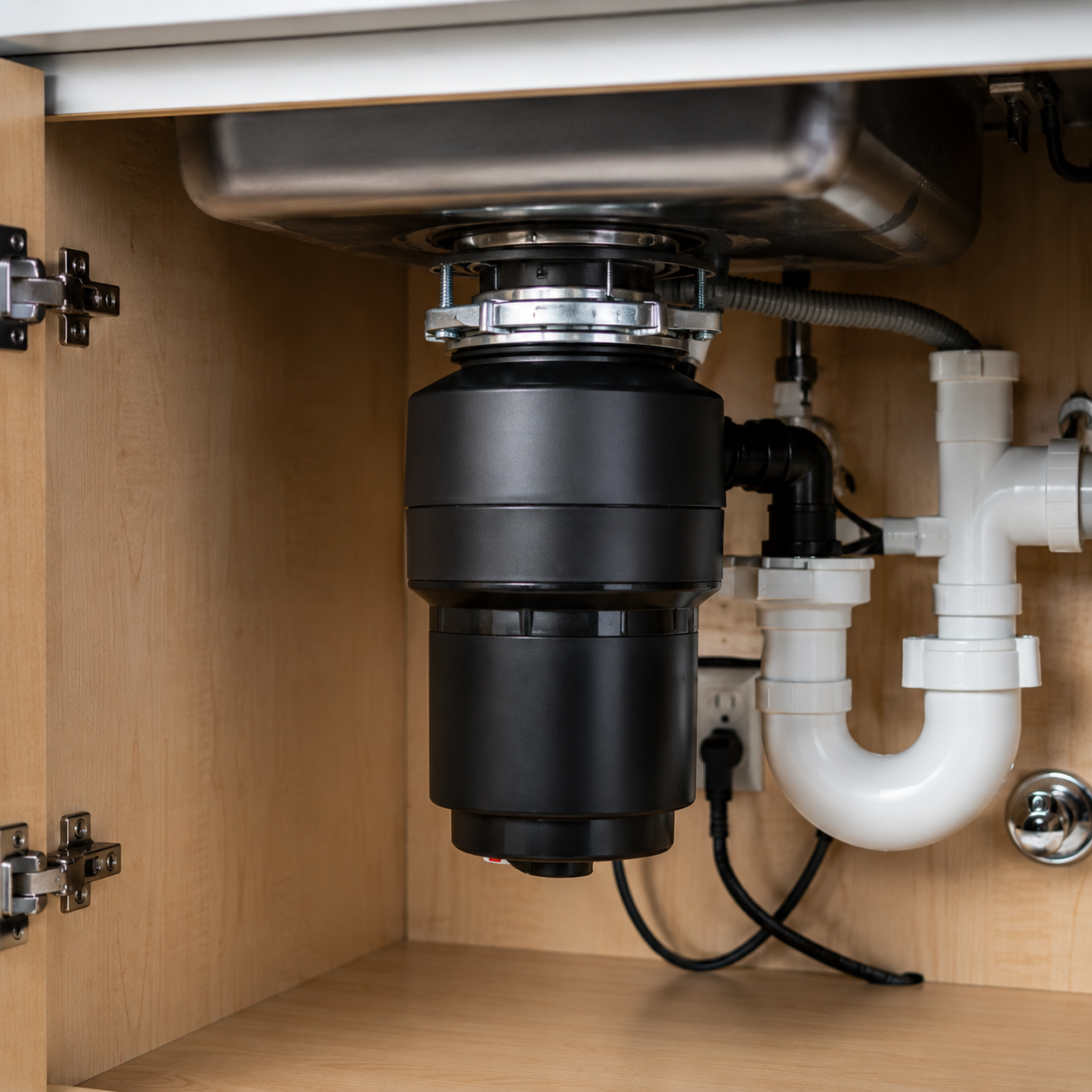
A working garbage disposal helps keep your kitchen clean and efficient. However, many homeowners in Mesa, AZ, accidentally damage their systems every week. Food waste can clog a drain, create serious plumbing issues, and even lead to costly plumbing repair visits. Because of Arizona’s hard water conditions, your pipes already face extra stress. So knowing what should never go into a garbage disposal can help prevent major household problems.
Garbage Disposal Problems Often Start With Grease
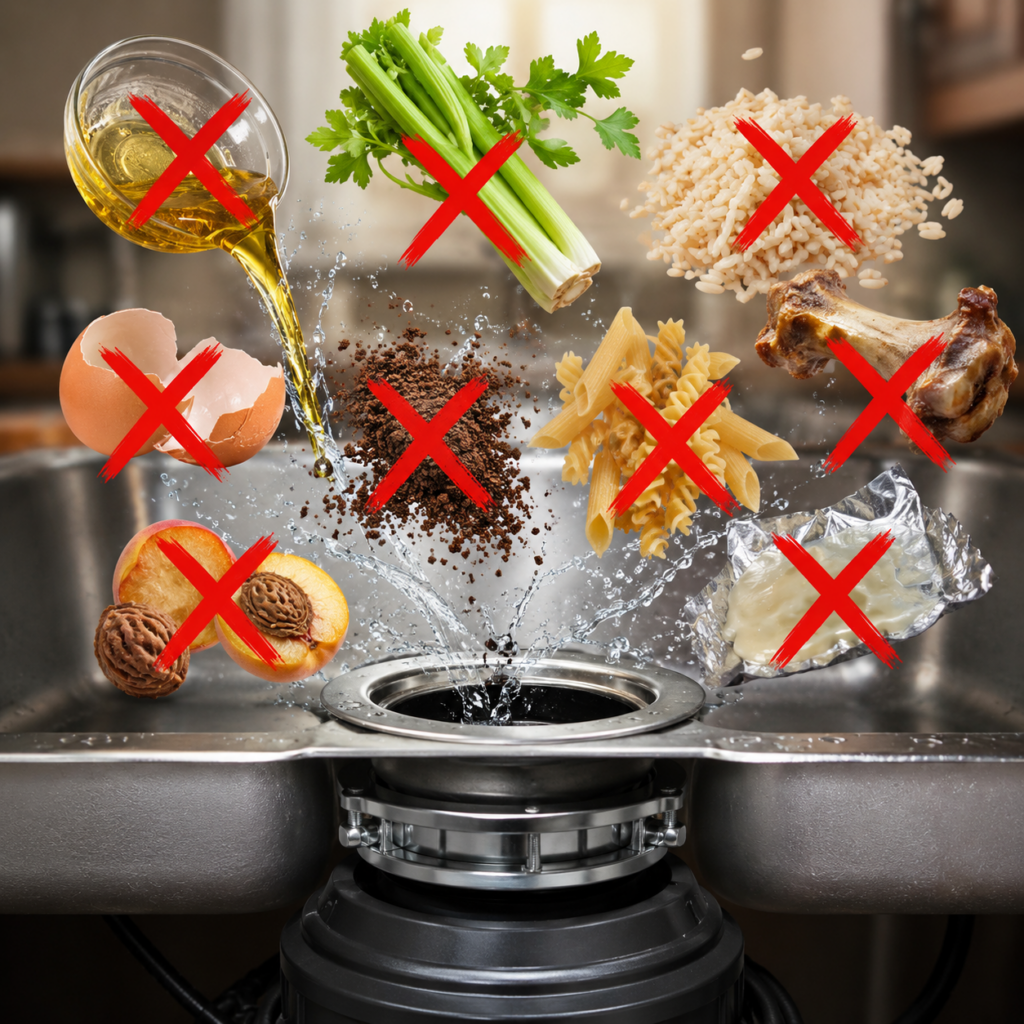
Many people pour cooking grease into the sink without thinking twice. Unfortunately, grease hardens inside the pipes over time. This sticky buildup slowly narrows the drain line.
Eventually, water movement becomes restricted. Bad odors may also develop inside the kitchen sink. In some cases, the blockage reaches deeper plumbing lines under the home.
Homeowners often experience this issue after holiday meals or backyard cookouts. Oils from bacon, steak, and fried foods create stubborn clogs quickly. Instead, allow grease to cool inside a container before throwing it away.
Coffee Grounds Can Damage a Garbage Disposal
Coffee grounds may look harmless, yet they create thick sludge inside pipes. The disposal blades do not fully break them apart. As a result, the material settles deep inside the plumbing system.
That heavy sediment combines with grease and food particles. Eventually, your kitchen drain may empty more slowly than normal. Some homeowners also notice gurgling noises from the sink.
Rather than washing grounds into the disposal, place them in the trash or compost bin. This simple habit can reduce future plumbing repair needs.
Eggshells Can Create Hidden Drain Issues
Some people believe eggshells sharpen disposal blades. Actually, that popular myth causes more harm than good. The membrane lining inside shells wraps around disposal components.
Meanwhile, crushed shell particles collect inside pipe bends. Over time, buildup develops, and water flow decreases.
Homes throughout Mesa and nearby cities like Gilbert, Chandler, and Tempe often deal with kitchen drain backups during busy cooking seasons. Preventing shells from entering the disposal helps keep the plumbing system cleaner.
Fibrous Foods Frequently Jam Disposal Systems
Certain vegetables contain stringy fibers that wrap around the motor. Celery is one of the biggest offenders. Corn husks also create major disposal problems.
Additionally, onion skins and asparagus can tangle around moving parts. The motor may begin humming without grinding properly.
Eventually, the unit could overheat or stop working entirely. Repairs may become necessary if the jam is ignored for too long.
Instead, throw fibrous scraps into the trash. Your garbage disposal will operate much more efficiently afterward.
Pasta and Rice Expand Inside the Drain
Pasta and rice continue absorbing water after entering the disposal. Because of this, they swell inside the pipes. Even small amounts can become problematic.
The thick material sticks to pipe walls easily. Soon, additional debris begins collecting around it.
Many Mesa homeowners first notice standing water in the sink. Others detect unpleasant smells from food trapped below the drain opening.
Using a sink strainer can help prevent accidental buildup. It also keeps larger scraps out of the plumbing system.
Bones Should Never Enter a Garbage Disposal
Garbage disposals are powerful, but they are not designed for bones. Chicken bones, steak bones, and pork bones can damage internal components quickly.
Hard materials place extra stress on the motor. Sometimes the blades become chipped or misaligned.
In difficult situations, the disposal may seize completely. A replacement could become more cost-effective than a repair.
Arizona families who entertain often should remain especially cautious during cookout season. Large food cleanup sessions increase the risk of disposal misuse.
Fruit Pits Can Break Disposal Components
Peach pits, avocado seeds, and similar items are extremely hard. They do not grind properly inside a residential disposal.
Instead, they bounce around the chamber aggressively. This impact can crack internal parts or dull grinding surfaces.
Some homeowners attempt to force the disposal harder by running water. Unfortunately, that rarely solves the issue.
Throw pits directly into the trash before rinsing dishes. Doing so protects both the disposal and the drain line.
Harsh Chemicals Can Harm Plumbing Pipes
Chemical drain cleaners may seem like a fast solution. However, they can damage plumbing materials over time.
Older pipes become especially vulnerable to corrosion. Certain cleaners also harm garbage disposal seals and components.
Furthermore, chemical residue creates safety concerns during future plumbing repair visits. Professional plumbers must handle those materials carefully.
If your sink drains slowly, safer methods exist. Hot water and mild dish soap often help with minor buildup. Persistent clogs should be inspected professionally.
Large Food Quantities Overwork the Disposal
Even safe foods can create problems when added too quickly. Large amounts overwhelm the disposal motor and drain line.
For example, stuffing an entire plate of leftovers into the sink increases clog risks immediately. Water flow becomes restricted before waste clears properly.
Instead, feed food scraps gradually while running cold water. This process allows waste to move through the pipes efficiently.
Consistent habits help extend the life of your garbage disposal significantly.
Why Mesa Homes Experience More Plumbing Stress
Mesa’s desert climate creates unique plumbing challenges. Hard water minerals already build up inside pipes over time. Therefore, adding grease, food waste, or debris worsens existing restrictions.
Older neighborhoods may experience even faster buildup. Tree roots and aging drain systems also contribute to plumbing issues throughout the East Valley.
Cities surrounding Mesa, including Apache Junction, Queen Creek, and Scottsdale, face similar concerns. Routine maintenance becomes important for preventing expensive repairs.
A properly used garbage disposal helps reduce unnecessary strain on your home’s plumbing system.
Signs Your Garbage Disposal Needs Attention
Several warning signs indicate disposal trouble may be developing. Strange odors are often the first symptom homeowners notice.
Slow-draining water can also suggest a buildup inside the pipes. Meanwhile, grinding noises may indicate foreign objects have become trapped.
Leaks under the sink should never be ignored, either. Moisture damage can spread quickly beneath cabinets.
If your disposal frequently resets or trips breakers, the motor could be failing. Professional inspection may prevent larger plumbing repair costs later.
Protect Your Garbage Disposal With Better Kitchen Habits
Small changes in daily kitchen routines can make a major difference. Preventing clogs is far easier than repairing damaged plumbing later.
Dispose of grease properly. Avoid hard materials and fibrous foods. Additionally, use plenty of cold water while operating the disposal.
Regular care helps the system last longer while keeping drains flowing smoothly. Homeowners across Mesa benefit from staying proactive with kitchen plumbing maintenance.
At Sunset Home Services, we help homeowners throughout Mesa and surrounding Arizona communities keep their plumbing systems operating reliably. Whether you need drain cleaning, disposal replacement, or plumbing repair services, our team is ready to help.